
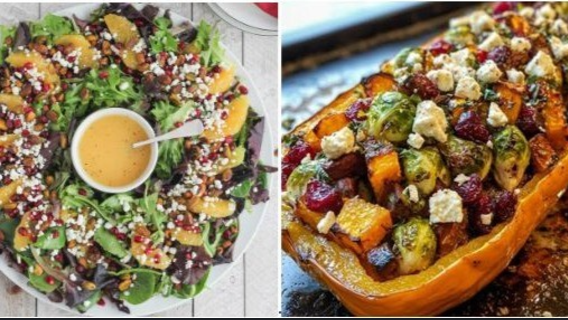
The Importance of Providing Healthy Food During the Holiday Season

Dr. Marianne Infante, M.Ed, OTD
November 3, 2024
As the holiday season approaches, many of us are filled with joy and anticipation, eager to celebrate with family and friends. However, this time of year also brings unique challenges, particularly when it comes to food choices. It’s crucial to address common reasons for not providing healthier foods at events, not just for children but for everyone, including those in assistive living and the elderly. Here, we explore these reasons and highlight the importance of fostering a culture of health and well-being during the holidays for all members of our community.
1. Perceived Expense of Healthier Options
One of the most frequently cited reasons for not offering healthier foods is the cost. Many believe that nutritious options are more expensive and therefore impractical. While it’s true that some healthier foods can carry a higher price tag, we must consider the long-term benefits. Investing in healthier options can reduce healthcare costs associated with diet-related illnesses down the line.
There are practical solutions to make healthier foods more affordable. For instance, offering smaller portions of nutritious foods allows us to provide variety without overwhelming our budgets. This way, everyone can sample healthier choices without significant financial strain, creating a more inclusive environment.
2. Minimal Impact of Unhealthy Ingredients
Some might argue that small amounts of unhealthy ingredients, such as high fructose corn syrup or added sugars, won’t harm individuals. However, research shows that even modest consumption of these substances can have negative effects, especially on vulnerable populations like children and the elderly. Diets high in sugar and unhealthy fats can lead to a host of health problems, including obesity, diabetes, and heart disease, which are particularly concerning in aging populations.
Additionally, recent studies have highlighted the dangers of artificial food dyes, which are prevalent in many holiday treats. Research has shown a potential link between these dyes and increased hyperactivity in children. This hyperactivity can lead to more accidents and injuries, especially in young and active individuals. The concern extends beyond behavioral issues, as some studies suggest that certain artificial dyes may be linked to an increased risk of cancer in youth. By prioritizing healthier selections, we can help prevent these serious health problems for everyone in our community.
3. The Influence of Marketing on “Treats”
It’s important to recognize that many perceived “treats” during the holiday season are a result of aggressive marketing. Historically, sugar was not originally meant for consumption in the way we use it today; it was often utilized in the creation of sculptures and artistic displays. This historical context reminds us that sugar’s role in our diets has evolved dramatically, often to the detriment of our health.
Many holiday treats are marketed as essential to celebration, creating societal expectations that they are a necessary part of our festivities. However, we have the power to redefine what treats can be. Healthier selections can also be festive and delicious, allowing everyone—children, the elderly, and individuals in assisted living—to enjoy the season without compromising their health.
4. Parental and Caregiver Responsibility
While parental choice is vital for children, it’s equally important for caregivers and family members to make informed decisions for the elderly and those in assisted living. Community events should aim to foster healthy habits for everyone. By providing healthier selections, we support families in guiding their loved ones toward better choices.
Creating a culture prioritizing healthy eating, helps individuals make better choices while strengthening community bonds. When we collectively support healthy habits, we send a powerful message about our values and care for one another.
5. Freedom of Choice
The idea that individuals should have the freedom to choose unhealthy options is often raised. While it is essential to respect personal choice, offering healthier selections does not restrict freedom—it expands it. When people are presented with a variety of nutritious options, they can discover new tastes and preferences. This encourages everyone to embrace healthier foods rather than limiting their experiences to unhealthy ones.
Establishing a supportive environment for healthy eating allows individuals of all ages to learn about nutrition in a positive context, paving the way for lifelong habits.
6. Concerns About Forbidding Unhealthy Items
Some worry that offering only healthy foods may create a negative stigma around certain items, leading to cravings for forbidden foods. However, providing only universally healthy selections does not equate to forbidding choices; it empowers everyone to explore and enjoy nutritious foods. This proactive approach helps cultivate a positive relationship with food, allowing individuals to appreciate healthy selections without guilt.
Preventing Further Health Problems
Prioritizing healthy food selections is particularly important as it helps prevent further disabilities and health problems, especially in the elderly and those with existing health conditions. Consuming a balanced diet rich in nutrients can lead to better dental health, reducing the risk of tooth decay and gum disease, which can significantly impact overall health and quality of life.
There is a higher mortality rate during the holiday season. Encouraging healthier lifestyle choices and providing supportive environments can help mitigate these risks for everyone in the community. Maintaining a healthy diet can help manage chronic conditions, lower blood pressure, and improve heart health. By offering nutritious food selection, we are providing a meal that contributes to the health and well-being of our community members.
The Call to Action
As we prepare for the holiday season, let us commit to providing healthier food selections at our community events. We have the opportunity to influence the next generation positively and nurture the health of all community members, including children, the elderly, and those in assisted living. By addressing these common concerns, we can foster a supportive environment that celebrates nutritious eating.
As caregivers and community leaders, we have a responsibility to guide our community toward healthier lifestyles. Let’s embrace this calling and work together to ensure that our holiday celebrations are filled with joy, love, and, most importantly, nourishing food selections that honor both our bodies and our values.
This holiday season, let’s make a difference—one healthy choice at a time, ensuring that everyone in our community can share in the spirit of the season in a healthy and uplifting way.