

Reimagining Halloween in America: From Candy back to Creativity
As a child, Halloween was always a highlight for me, not because of the candy but because of the creativity it sparked. With my mother’s help, we would bring my costume ideas to life, and my brother would often join in on the fun. We attended parades where prizes were silver dollars instead of candy, and neighbors would hand out money, apples, and homemade treats. Reflecting on this old tradition in the fall, my aunt fondly recalled a time when Halloween involved receiving fruits and other foods.
As the old black and white picture shows, with homemade costumes, these parades were a vibrant part of Halloween’s past, contrasting sharply with the more commercialized celebrations that would follow. In the 1960s, candy advertisements began subtly fueling societal fears, promoting only individually wrapped candies from trusted brands and casting suspicion on unwrapped items, including apples and homemade treats. This shift mirrored broader anxieties about societal changes and integration, fostering a sense of distrust and altering Halloween into a holiday centered predominantly around candy.
Despite these changes, our family continued to emphasize creativity and innovation. My children embraced imaginative costumes: one year, when her grandfather was having a hip operation, my daughter created a costume with her head as a person undergoing heart surgery using Grandpa’s walker as a gurney. Another year my son decided he would be the dreaded tax collector, he donned a suit and briefcase and rang doorbells stating “I am from the IRS”—his costume was deemed the scariest of the night by our neighbors.
Globally, Halloween is celebrated in various ways, with some cultures focusing on costumes and others honoring deceased ancestors. For a broader view, check out this NPR article on global Halloween traditions here.
Candy is unlikely to become a health food anytime soon, and even “healthier” options often contain significant amounts of added sugar. The Earth Day article here offers insights on the fact the candy itself is what is currently unsafe besides the increasing obesity rates. Most recent studies confirm the long-time thought that artificial dyes, banned in other countries and soon to be banned in CA, cause hyperactivity in children and are carcinogenic. In addition to health concerns, there’s a significant issue with food waste: Americans throw away about $400 million worth of uneaten sweets from trick-or-treating each year. This represents a substantial amount of wasted food. The solution is simple: instead of handing out unhealthy candies with excessive sugar, additives and dyes, opt for healthier versions that can be enjoyed throughout the month. This approach helps reduce waste and supports better dietary habits for both children and adults.
On the surface, it appears it is just one day of candy and that it’s not a major issue. However, the reality is that every day, children are exposed to advertisements and junk food that can significantly impact their health. Halloween is not an isolated event but part of a broader culture of excessive sugar consumption and unhealthy eating habits. While use to be just one day, now it celebrated on several days with truck or treats, and then on again Halloween night. Making candy the main focus reflects and reinforces these broader issues related to unhealthy eating habits and consumer culture. The World Health Organization supports that every community gathering involving children should prioritize healthy options to counteract the daily bombardment of unhealthy food choices. Some school wellness policy make it mandatory to consider wellness
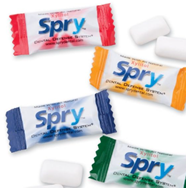
Consider handing out better choices for everyone’s health and the environment. Many low-sugar candies contain sugar alcohols, which are generally safe in moderation and less likely to cause tooth decay. That being said, it’s also recommended also to limit sugar alcohol intake to no more than 10 to 15 grams per day. So small packages are better
Given the slow pace of change, consider opting for healthier candy alternatives with less added sugar and no artificial ingredients or dyes. Try Veggie Chips of baked kale or sweet potato chips can be a crunchy, lower-sugar alternative to traditional candy.
Here are some other options
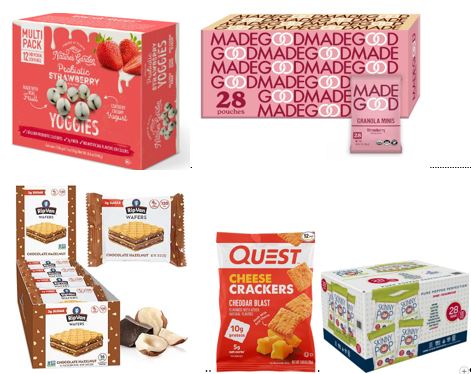
Gaining a growth mindset as a change maker for the community, consider the healthiest Halloween options, consider fresh fruits and vegetables, naturally packaged and creatively presented as “super bananas” or “jack-o’-lantern oranges.” These fun and nutritious treats can make Halloween both healthy and enjoyable. Encouraging fruits and vegetables aligns with the goals of almost every state’s health improvement plan, which aims to increase the consumption of these nutritious foods. Check out this video where children and parents loved the fruit and other healthy snacks: Watch here. Accompany your children to trusted places that embrace new traditions of creativity and health this Halloween.
Another healthy option is hosting a fun costume party or fall dance for children. where parents, guardians, or grandparents accompany their children. This not only provides exercise and social interaction and fosters inclusivity and community spirit. Ensuring that costumes are age-appropriate and non-violent can create a positive experience for all. Such events can celebrate diverse and inclusive themes, including traditions from other cultures. Consider setting up a photo booth or craft table, and serve fun, healthy snacks like jack-o’-lantern oranges.
To include other cultures, consider a table for Día de los Muertos, where children can bring and display pictures to honor deceased relatives. If space is available organize a fall harvest tasting bingo featuring seasonal fruits and vegetables for families to sample and enjoy together. By involving parents, guardians, or grandparents in these activities, you create a more engaging and supportive environment, making Halloween both inclusive and health-conscious. Let’s help each other make better choices for our health and the environment and rediscover Halloween by embracing creativity, health, and community spirit.